When people talk about climate change, it can feel a bit… distant. Big words. Big problems. Slightly overwhelming.
So most of us quietly bring it back to something manageable. Recycling. We rinse a container, put it in the right bin, and feel like we are doing our bit. And genuinely, that is a good thing.
BUT, it is a bit like cleaning your kitchen worktop while the oven has been left on and the house is slowly heating up. There is a bigger picture going on.
Let’s start really simply
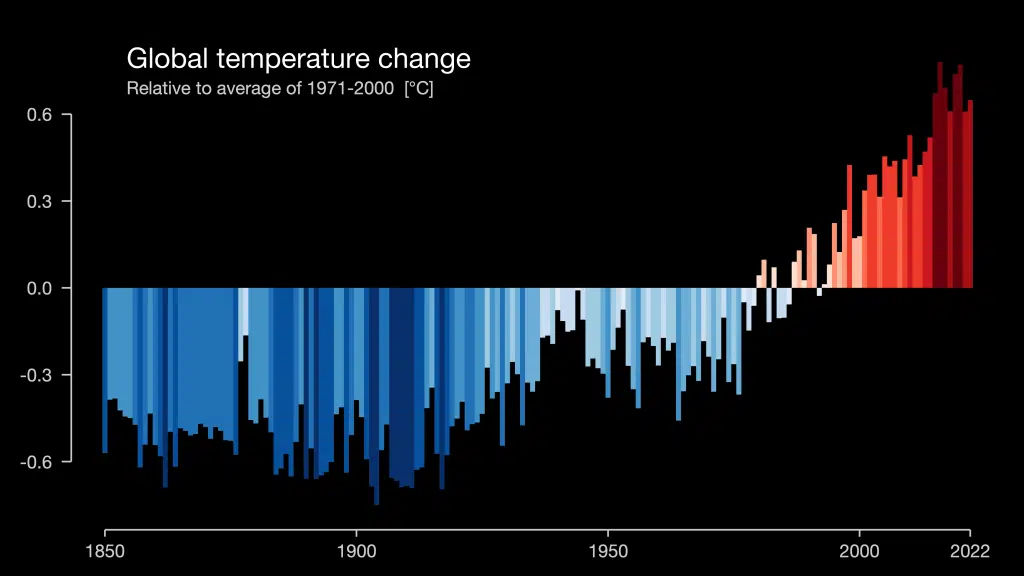
Climate change just means the Earth is getting warmer over time. Not just one hot day here or there, but a slow build up of heat that is changing how the planet behaves. And that heat is coming from things we do every single day.
Global warming or climate change… what is the difference
These two get used all the time, and they sound like the same thing. They are connected, but they are not quite the same.
Global warming is the temperature part. It is the slow increase in the Earth’s temperature over time.
Climate change is everything that happens because of that heat. Hotter summers, heavier rain, drought, rising sea levels.
A simple way to think about it is this
Global warming is the heating
Climate change is what happens because of it
Once you see that, everything else starts to make more sense.
The bit that actually matters
Around the Earth is a layer of gases. Think of it like a light blanket that keeps everything at a comfortable temperature. Without it, we would all be freezing. But the more gases we add, the thicker that blanket gets. And the thicker it gets, the more heat it traps.
The quiet helpers we don’t talk about enough
Trees and plants quietly help keep this balance in check. They absorb carbon dioxide from the air and release oxygen back out. Think of them as the planet’s natural air filters, working away in the background without making a fuss.
For thousands of years, this balance worked beautifully. We released a certain amount of carbon dioxide, plants and trees absorbed a lot of it, and everything stayed fairly stable.
But over time, two things have happened at once. We are producing far more carbon dioxide and methane than ever before, and we are cutting down large areas of trees and greenery that would normally help absorb it.
So not only are we adding more to the blanket, we are also removing part of the system that keeps it under control. And that is where things start to tip out of balance.
So what are these gases, really
The two main gases to understand are carbon dioxide and methane. They sound technical, but they come from very normal parts of life.
Carbon dioxide is basically everywhere
Carbon dioxide is what we breath out! It is also released when we burn things for energy. Driving, heating, electricity, making products, transporting them. It is built into how modern life works.
It builds up quietly in the air over time, like adding extra layers to that blanket.
Methane is the one nobody expects
Methane is a bit less obvious, but once you know, you cannot unsee it. It comes from cows and sheep, food waste breaking down, and gas systems.
And here is the important bit. Methane holds onto a lot of heat. So even small amounts have a big impact.
It is not just one thing, it is everything adding up
It is not just one obvious cause. It is lots of everyday systems all adding up at the same time. Energy, transport, food, land, the things we buy, and even the things we throw away.
The food bit that makes people pause
Food is often the biggest surprise. Animals like cows produce methane when they burp (yes, really!). They also need land, water and feed. That feed, often soy, is grown in huge amounts to support them.
To make space for all of this, forests are often cleared. And those forests would normally be absorbing carbon dioxide.
It is the same story with palm oil. It turns up everywhere, often without us noticing, and is linked to deforestation.
So one meal is not the issue. But the system behind millions of them starts to matter.
What this actually looks like in real life
This is where it stops being about science and starts being about real life.
Hot days feel hotter and happen more often. Sleep becomes harder. Homes hold heat in a way they never used to.
Rain changes. Sometimes heavier, sometimes missing altogether. Flooding and drought can both come from the same underlying issue.
Food becomes less predictable. Prices shift. Availability changes.
Sea levels rise slowly over time, affecting coastal areas around the world.
And one of the hardest parts is that the people affected most are often not the ones causing the most emissions.
And here in the UK, we are starting to feel it
We do not always see the most extreme effects. We do not have wildfires on our doorstep or entire towns underwater. Not yet.
But we are already seeing the shift. Hotter summers, record temperatures, homes feeling far too warm. Fans suddenly becoming essential.
If it already feels uncomfortable, that tells us something. Things are changing.
This is the moment to start paying attention
This is not about panic. It is about understanding. Because once you understand, you can start to shift from being part of the problem to being part of the solution.
So where does recycling fit into all of this
It still matters. It reduces waste and saves energy.
But it is a small piece of a much bigger picture.
The bigger changes that quietly matter more
This is where things become more powerful.
Where you keep your money matters. Banks and pensions can fund or avoid industries that drive emissions.
What you buy matters. Every product has a supply chain behind it. Resources, energy, transport, packaging.
And sometimes the most powerful question is simply – Do I actually need this?
Not in a restrictive way. Just in a slightly more thoughtful way
Because every purchase quietly supports a system.
The good news, because there is some
You do not need to change everything at once. No one does.
But once you understand what is really going on, your choices become clearer.
Wasting less food
Using less energy
Driving or flying a bit less
Being more thoughtful about what you buy
Trying small changes with what you eat
None of this needs to be extreme.
It is just about shifting things slightly in the right direction.
Where this is going next
This is just the starting point.
We will go into all of this properly in the next blogs. Food, methane, deforestation, energy, and what actually makes the biggest difference.
One last thing to keep in mind
This is not about guilt.
It is not about being perfect.
It is just about understanding what is really going on, so that the small things you do actually count.
A Few Easy Tips To Get You Started
You do not need to change everything overnight. A few small shifts can make a real difference, and most of them fit easily into everyday life.
- Waste a little less food. Plan meals, use leftovers, freeze things before they are forgotten.
- Turn things off when you are not using them. It sounds simple, but it adds up.
- Be a bit more mindful with heating. Even small adjustments help.
- Drive a little less where it feels easy to do so.
- Try a couple of plant based meals each week. Nothing extreme, just a small shift.
- Ask yourself “do I actually need this” before buying something new. It is a surprisingly powerful habit.
- Have a quick look at your bank or pension if you feel ready. Even becoming aware of where your money goes is a great first step.
- Keep recycling, but see it as one piece of the puzzle.
Make it manageable
You do not need a complete overhaul. Just a few small habits, done consistently.
Put the kettle on, take ten minutes, and pick one or two things to try this week.
Future you will barely notice the effort, but over time it all adds up.
0 Comments