Pop the kettle on (biodegradable teabag, obviously) and let’s have a simple, honest chat about water.
Because water is one of those things we barely think about… until:
- there’s a hosepipe ban
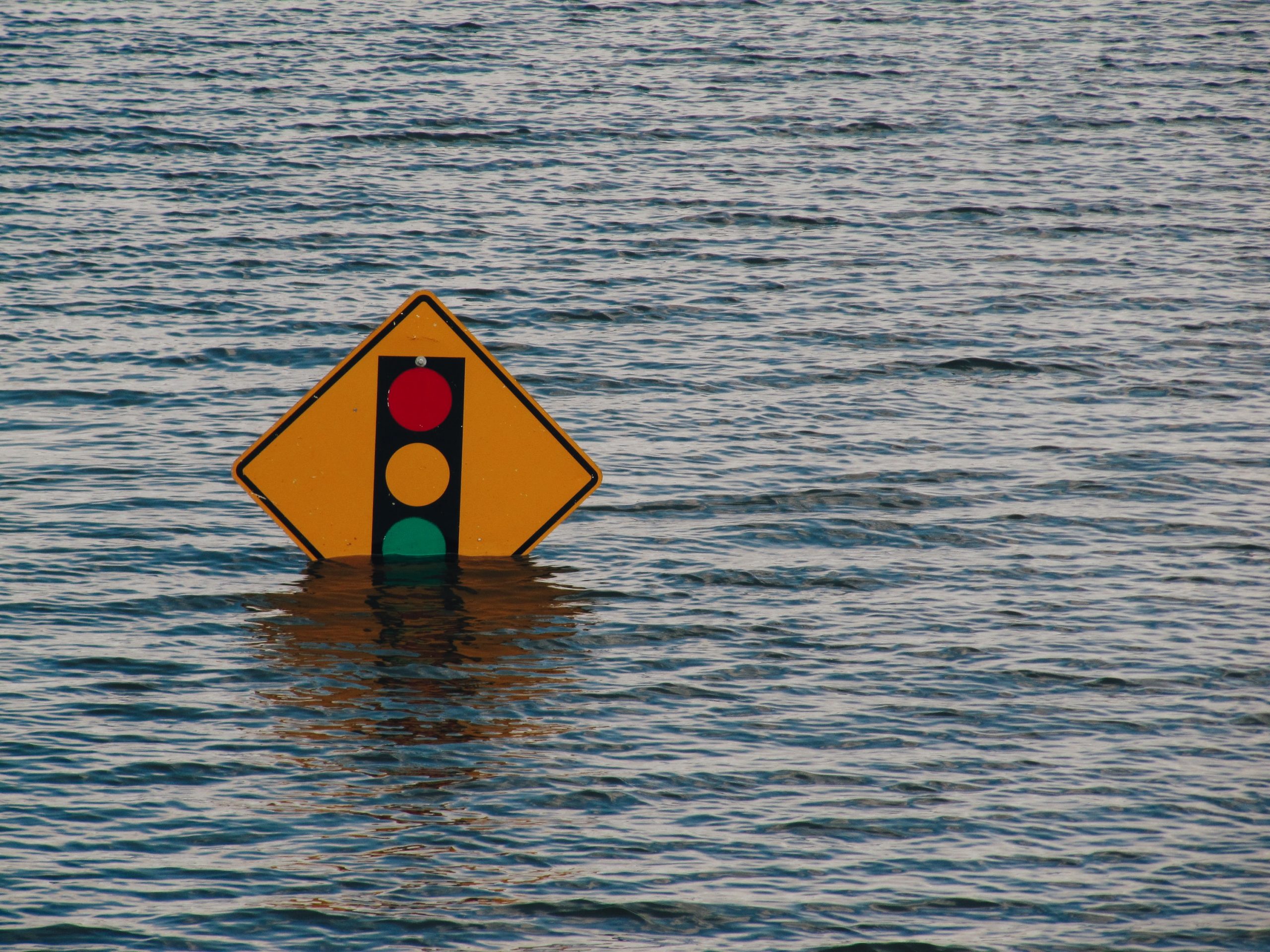
- the road floods after 14 minutes of rain
- or your lawn suddenly starts looking like a Weetabix left out in the sun
Very British.
But here’s something that completely blew my mind when I first learned it…
The water we drink today is basically the same water that dinosaurs drank millions of years ago.
Yes really.
So technically, somewhere in your morning cup of tea there could be a tiny molecule that once sloshed around inside a T-Rex.
You’re welcome for that image.
So How Is That Even Possible?
It’s all thanks to the water cycle.
Water is constantly moving around the planet:
- evaporating into the air
- forming clouds
- falling as rain or snow
- flowing into rivers and seas
- soaking into the ground
Round and round it goes in one giant natural recycling system.
Nature, quite frankly, is amazing.
Humans still can’t agree on whether a pizza box goes in recycling, but Earth has quietly been recycling water for millions of years.
So If We Still Have The Same Water… What’s The Problem?
The issue isn’t usually the amount of water.
It’s the balance.
Where the water is.
When it falls.
How quickly it moves.
And whether it’s actually clean and usable.
Because, although Earth is covered in water, only a tiny percentage is freshwater we can easily use.
Most is salty ocean water, frozen in glaciers, or deep underground.
So the small amount we rely on for:
- drinking
- growing food
- farming
- washing
- keeping ecosystems healthy
- and basically keeping humans functioning before coffee
…is incredibly important.
BUT – Climate Change Is Throwing The Balance Off
Climate change is basically turning the water cycle up to full blast.
Warmer temperatures mean more evaporation, which dries out soil and increases drought risk.
But warmer air also holds more moisture.
So when rain finally arrives, it often comes all at once like the sky has suddenly remembered an overdue task.
Which means we’re increasingly seeing:
- flooding
- droughts
- stronger storms
- unpredictable seasons
- and weather that feels completely confused
One minute everyone is praying for rain.
The next minute somebody’s garden furniture is halfway down the street.
What About Melting Ice?
Glaciers and snowpacks work a bit like giant natural water storage tanks.
They slowly release water over time, helping rivers and ecosystems stay balanced.
But as temperatures rise, ice melts faster than it should.
Short term?
More flooding.
Long term?
Less stored freshwater for the future.
Not ideal really.
AND – Humans Aren’t Exactly Helping
Climate change is only part of the story.
Our behaviour affects water too.
We:
- cover land with concrete so water can’t soak naturally into the ground
- pollute rivers and oceans
- waste huge amounts of water without thinking
- and consume more “stuff” than ever before
Even our digital lives use water and energy behind the scenes through giant data centres, (laughingly called The Cloud, which makes them sound lovely and fluffy), cooling and storing all our online activity.
(I’ve written another Fi Leaves blog all about “the cloud” if you fancy going down that digital rabbit hole later.)
The Good News? Small Changes Matter.
This isn’t about panic.
And it definitely isn’t about perfection.
You do not need to move into a cave and wash in a puddle.
But small, realistic changes genuinely help.
Things like:
- fixing dripping taps
- wasting less food
- collecting rainwater for plants
- avoiding pouring oils and chemicals down drains
- buying less fast fashion
- deleting all those unread emails (see the Cloud blog)
- supporting businesses trying to do better
None of us can do everything.
But all of us can do something.
And when millions of people make slightly better choices, it adds up far more than we realise.
The water on Earth has been here for millions of years.
Dinosaurs drank it.
The Romans used it.
And now we’re arguing over whether sparkling water counts as “hydrating”.
The water itself isn’t disappearing.
But the balance we rely on is changing.
Some places are flooding. Others are drying out. Weather is becoming more unpredictable, and pressure on clean freshwater is growing.
But this isn’t about doom and gloom.
It’s about understanding how connected everything is — and remembering that small actions really do matter.
If I can do it, so can you. 💚
Top Water-Saving Tips To Get You Started
You don’t need to suddenly become a wilderness survival expert bathing in a bucket in the garden.
A few tiny swaps can save surprising amounts of water over time, and most are so simple you barely notice you’re doing them.
Here are a few easy places to start:
- Turn the tap off while brushing your teeth – Sounds obvious, but you can save litres of water every single day.
- Keep a jug or bottle of drinking water in the fridge – So you’re not running the tap waiting for it to go cold.
- Only boil the water you actually need in the kettle – (We are a nation emotionally attached to kettles, so this one feels important.)
- Put a bowl in the sink when washing veg – Then use the leftover water for plants.
- Collect rainwater in a water butt – Plants genuinely do prefer rainwater — and it saves using treated drinking water on the garden. You can even get really pretty water butts, not just the black plastic ones.
- Run dishwashers and washing machines with full loads – Fewer cycles = less water and energy.
- Shorten showers by just a minute or two – No need for military-style speed washing. Just slightly less concert season.
- Check for sneaky leaks – A dripping tap can waste thousands of litres a year, which is slightly horrifying when you think about it.
- Water gardens early morning or evening – Less evaporation means plants actually get the benefit.
- Think before pouring chemicals or oils down drains – What goes down the drain eventually ends up somewhere in the wider ecosystem.
And honestly? One of the biggest things we can do is simply become more aware.
Because once you start noticing water, you suddenly realise how connected it is to absolutely everything that makes our world the amazing place it is – food, weather, clothes, energy, wildlife, businesses and daily habits.
Nature’s balance is incredibly clever. We just need to stop accidentally making its job harder!
0 Comments